|
学生
|
教工
|
校友
|
访客
EN
学校【爱游戏平台官网入口】中国有限公司
学校概况
学校简介
师资概况
优势特色
现任领导
校徽校训
机构设置
党政机构
教学机构
群团机构
共享机构
教务教学
招生就业
招生网
就业创业网
党建工作
校友之家
走进法商
校园生活
学工动态
教学动态
第二课堂
讲座报告
学术动态
藏龙讲堂
服务信息
信息公开
领导信箱
校园地图
价格服务进校园
News
学校要闻
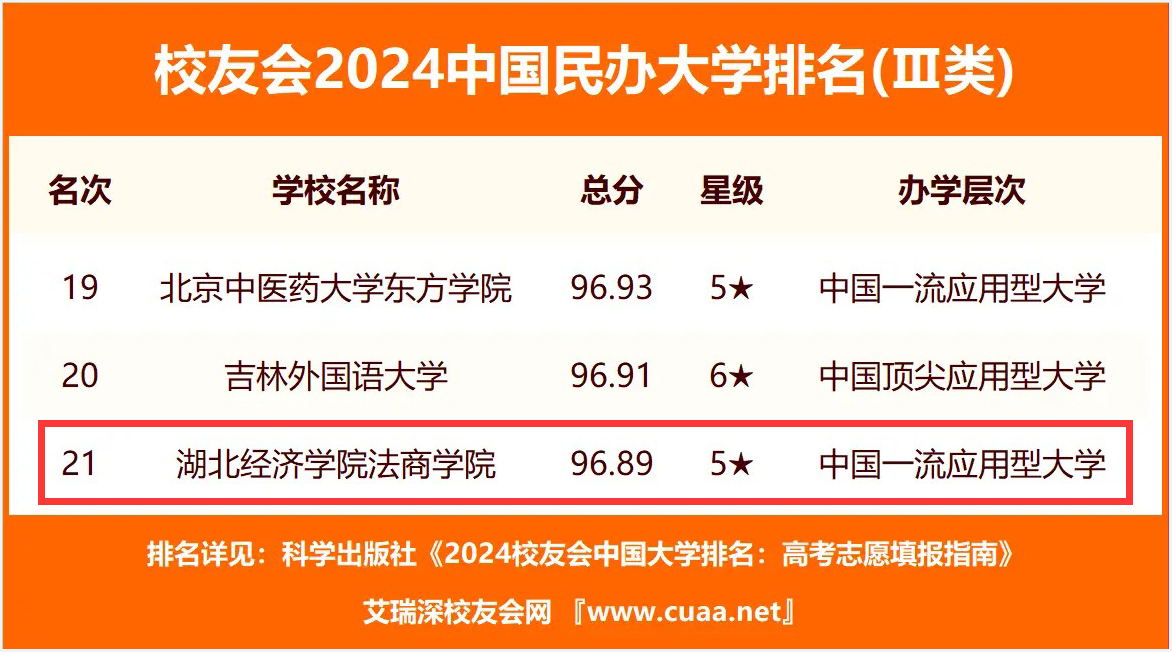
喜报:我院稳居中国独立学院10强
本网讯2024年1月16日,全国第三方大学评价机构艾瑞深校友会网(Cuaa.net)正式发布《2024校友会中国大学排名...
2024-01-18
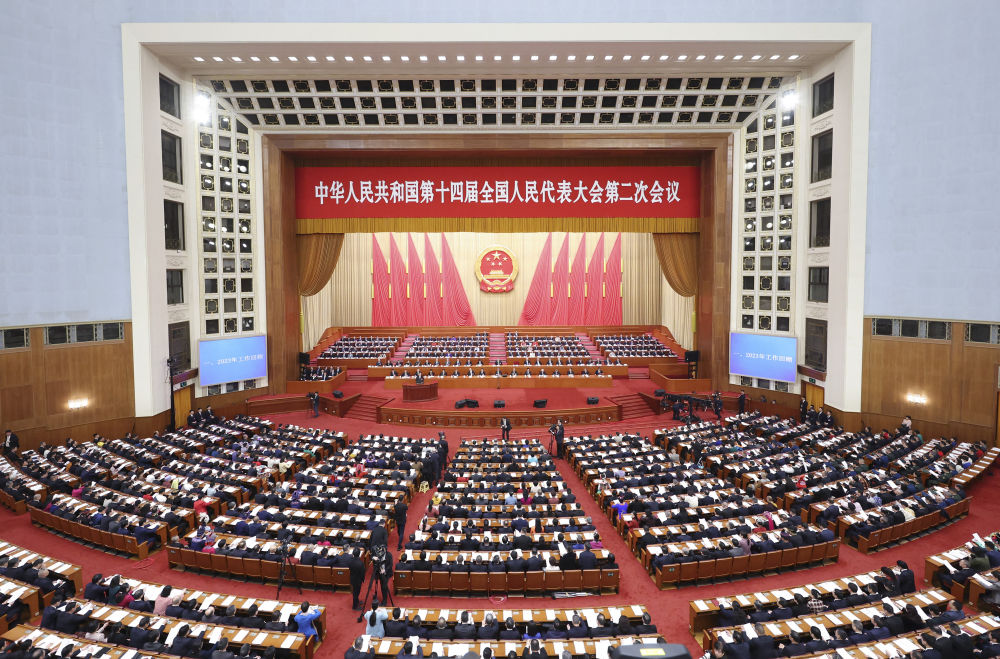
聚焦全国两会 学院师生热议政府工作报告
学院师生收看两会本网讯(通讯员邢宇)3月5日上午,第十四届全国人民代表大会第二次会议在北京人民大会堂开...
2024-03-05
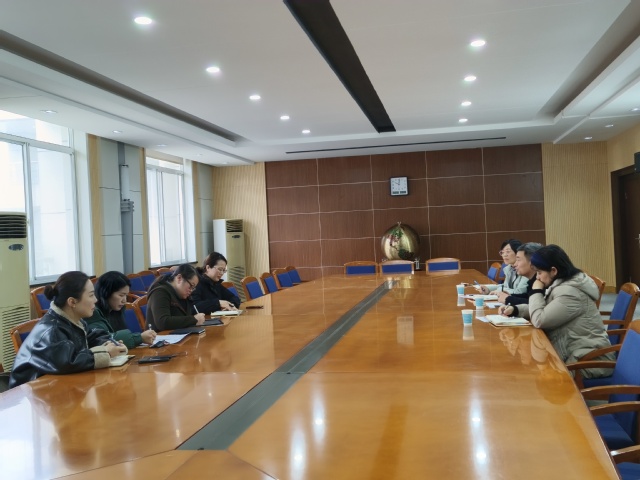
积极培育中国特色金融文化专家恳谈会在我院举办
领导专家合影恳谈会现场法商学院院长、湖北自贸区研究院院长陈昀教授主持举办高校党委常委、副校长、法商学...
2024-03-04
喜报:我院稳居中国独立学院10强
2024-01-18
聚焦全国两会 学院师生热议政府工作报告
2024-03-05
积极培育中国特色金融文化专家恳谈会在我院举办
2024-03-04
我院组织教师观看全国优秀教师代表“教育家精神” 荆楚宣讲报告会
2024-03-04
喜报:我院稳居中国独立学院10强
2024-01-18
聚焦全国两会 学院师生热议政府工作报告
2024-03-05
积极培育中国特色金融文化专家恳谈会在我院举办
2024-03-04
我院组织教师观看全国优秀教师代表“教育家精神” 荆楚宣讲报告会
2024-03-04
开学第一天,法商人过的很充实!
2024-02-27
铲雪除冰迎开学,法商人在行动!
2024-02-25
2024年新春贺词
2024-02-09
聚焦2023!媒体视野中的法商学院!
2024-02-08
News
综合新闻
查看【爱游戏平台官网入口】中国有限公司+
喜报:我院稳居中国独立学院10强
2024-01-18
喜报:我院稳居中国独立学院10强
2024-01-18
聚焦全国两会 学院师生热议政府工作报告
2024-03-05
聚焦全国两会 学院师生热议政府工作报告
2024-03-05
积极培育中国特色金融文化专家恳谈会在我院举办
2024-03-04
积极培育中国特色金融文化专家恳谈会在我院举办
2024-03-04
我院组织教师观看全国优秀教师代表“教育家精神” 荆楚宣讲报告...
2024-03-04
我院组织教师观看全国优秀教师代表“教育家精神” 荆楚宣讲报告...
2024-03-04
Video
媒体法商
查看【爱游戏平台官网入口】中国有限公司+
中国社会科学报
培育和建设中国特色金融文化
2024-03-07
人民日报
如何积极培育“中国特色金融文化”,参...
2024-03-05
极目新闻
如何积极培育“中国特色金融文化”,参...
2024-03-04
湖北日报
以中国特色金融文化推动金融高质量发展
2024-03-04
Notice
通知公告
查看【爱游戏平台官网入口】中国有限公司+
01
2023-12
【爱游戏平台官网入口】中国有限公司2024年教师招聘计划
08
2024-03
关于【爱游戏平台官网入口】中国有限公司章程(2022修订版)的公示
12
2024-01
关于开展寒假前安全大检查的通知
法商人物
欢歌笑语迎新年 凝心聚力启新程
学院举行2022-2023学年学生表彰大...
国奖得主揭晓!优秀!
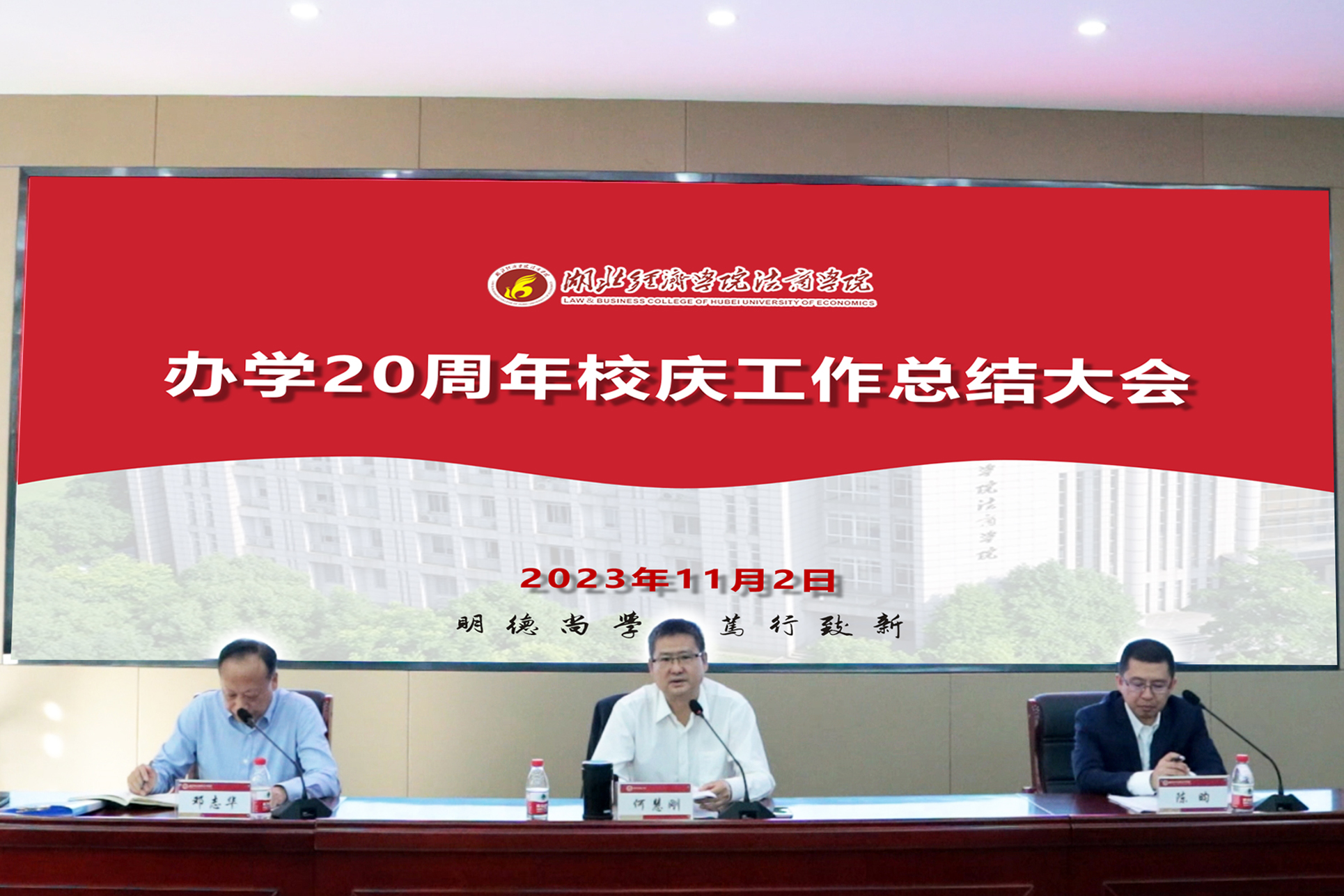
学院办学20周年校庆工作总结大会隆...
法商影像
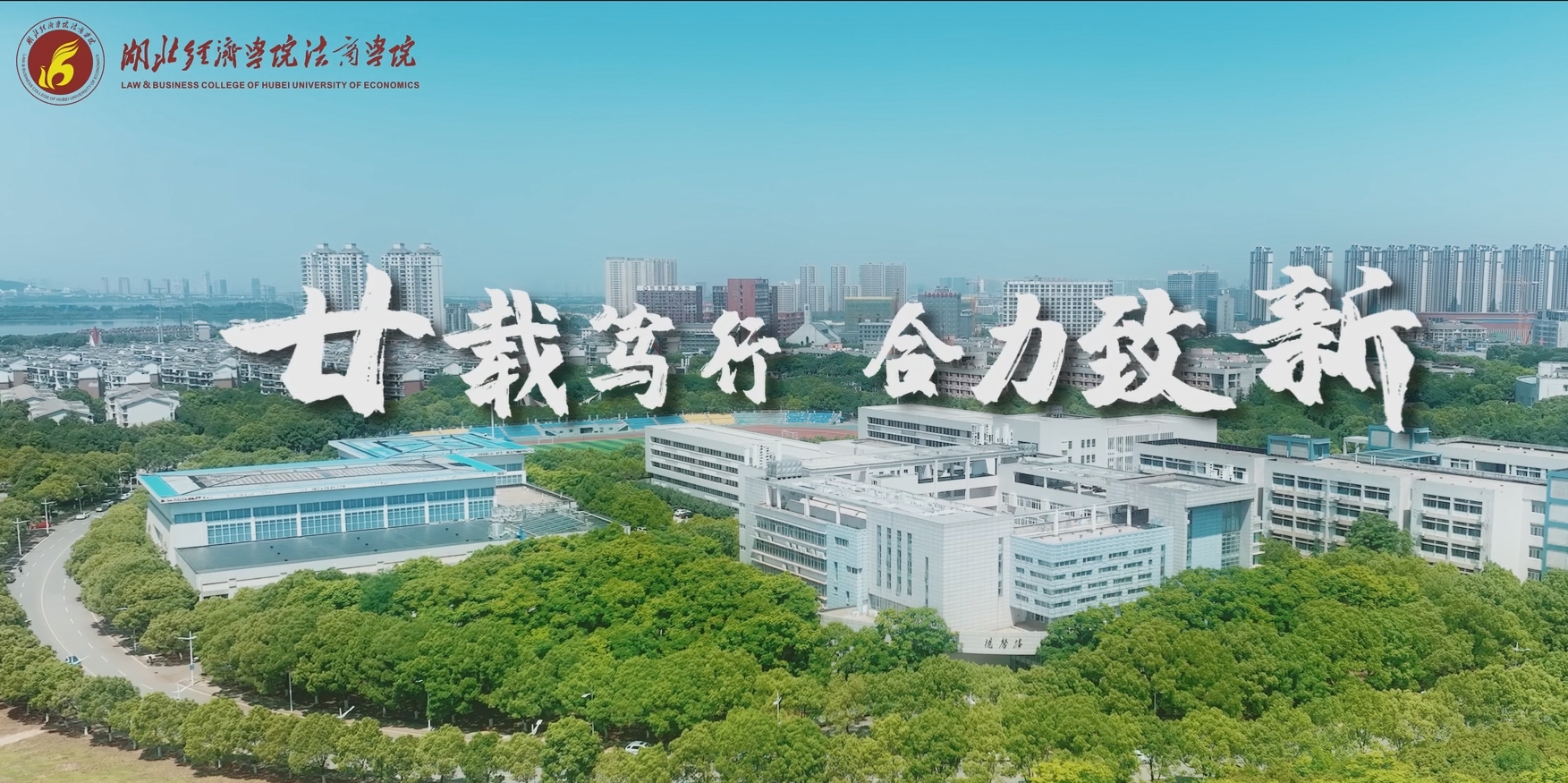
校庆特辑 | 学院办学20周年校庆宣传片
校庆特辑 | 学院办学20周年校庆宣传片
新学期 | 我们一起热辣滚烫!
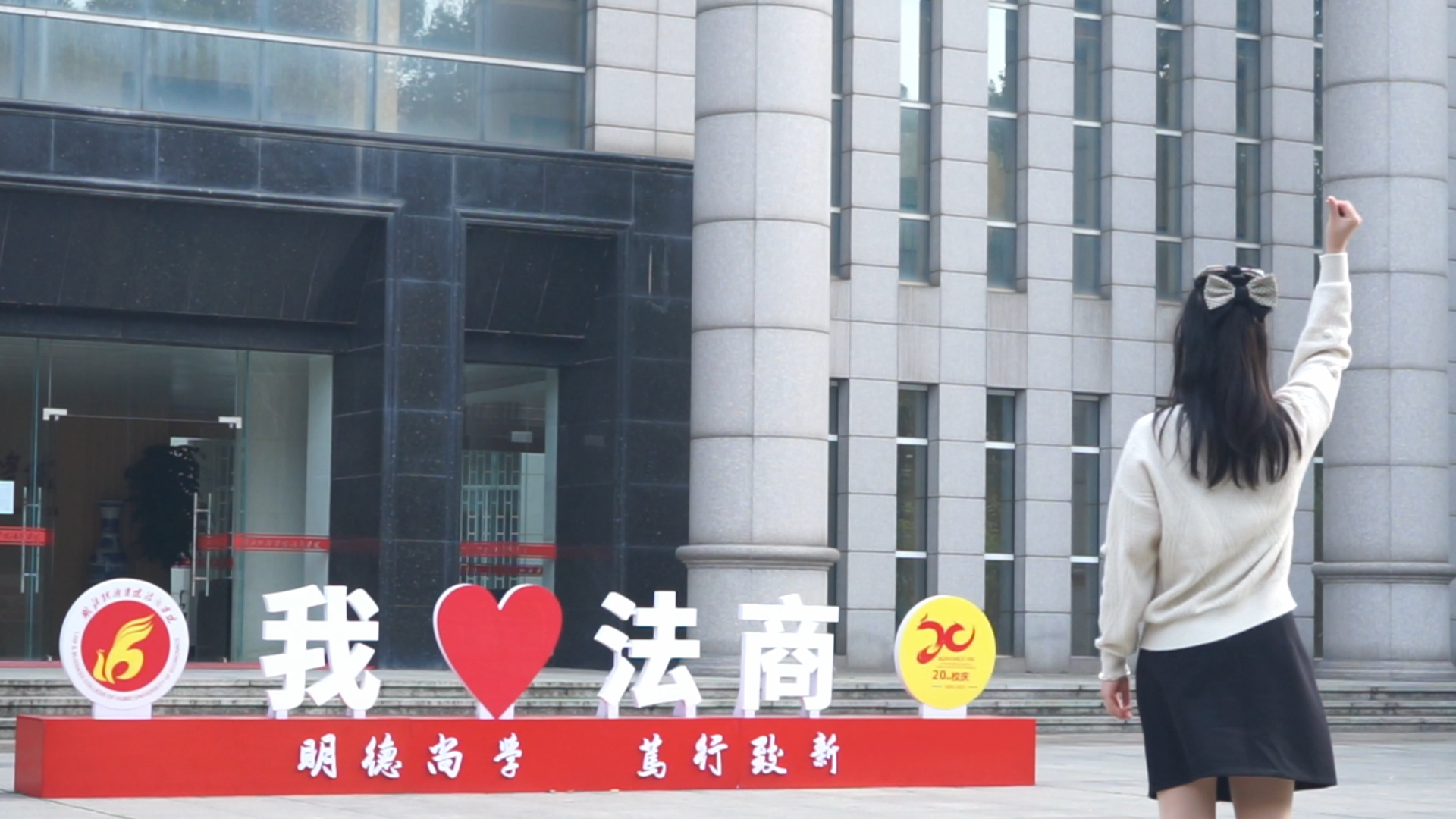
跟着小商一起“点亮”校园
法商生活
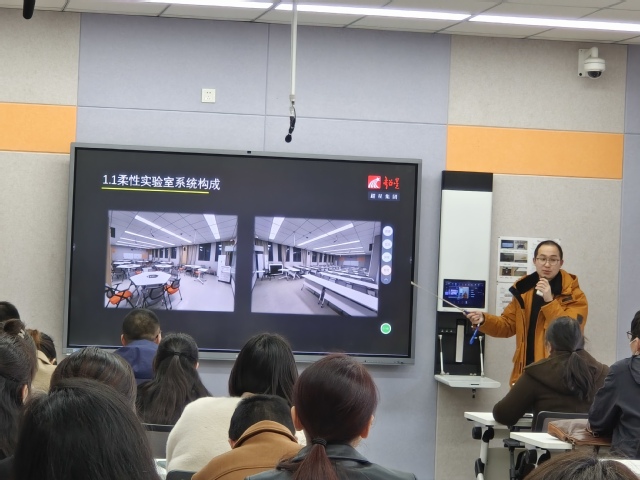
教务部开展柔性实验室使用培训
教务部开展柔性实验室使用培训
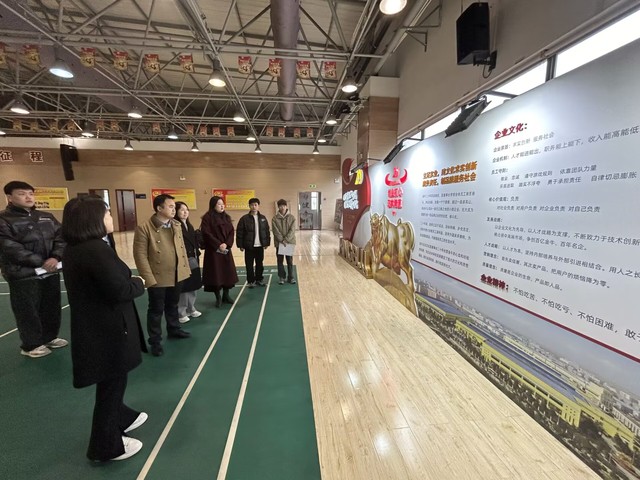
会计系一行赴金牛集团访企拓岗
教务部开展第四届全国高校教师教学...
Social media
社交媒体
法商微信
聚焦全国两会 | 学院师生热议政府工作报告
2024年政府工作报告提出:深入实施科教兴国战略...
法商视频号
校庆特辑 | 学院办学20周年校庆宣传片
新学期 | 我们一起热辣滚烫!
学习强国
春泉团队获批2023年湖北省“本禹志愿服务队”创...
法商微博
法商人正在返校中
Special website
专题热点
查看【爱游戏平台官网入口】中国有限公司
学习贯彻党的二十大精神
庆祝建校20周年
学习贯彻习近平新时代中国特色社会主义思想主题教育
办学20周年成果展
1
庆祝【爱游戏平台官网入口】中国有限公司办学20...
×关闭
博鱼APP平台(中国)有限公司
|
半岛体育官方app下载(中国)科技股份公司
|
开云app官网-(中国)有限公司
|
leyu乐鱼(中国)官方网站
|
博鱼体育平台(中国)有限公司官网
|
体育入口(中国)管理有限公司
|
爱游戏客户端(中国)有限公司
|
kok平台网址|科技有限公司
|
九州体育娱乐(成都)科技有限公司
|